


Facial redness is one of those skin concerns that can feel unpredictable: your skin looks calm one day, then suddenly your cheeks are flushed, your nose looks pink, and products that “used to be fine” start stinging. From a dermatology perspective, redness is rarely just a cosmetic issue, it’s often a sign of inflammation, irritation, or a compromised skin barrier.
The good news is that most redness-prone routines improve dramatically when you stop chasing quick fixes and start following a barrier-first plan: cleanse gently, moisturize consistently, and protect daily with sunscreen. In this article, we’ll walk through a dermatologist-style approach to redness, explain the most common triggers, and show you how to build a practical routine using professional-grade options available at Skin Deep Professional.
This often feels like stinging, burning, or tightness, especially after cleansing or applying products. It commonly happens when the barrier is disrupted by harsh cleansers, strong exfoliation, or too many actives at once.
Skin can look pink or inflamed when it’s dehydrated and not holding water effectively. This often improves when moisturizing becomes more consistent and gentle.
Some people flush with heat, exercise, spicy foods, alcohol, stress, or hot showers. This can overlap with rosacea-prone skin, though not always.
If redness is ongoing and paired with sensitivity, acne-like bumps, or visible capillaries, it’s worth checking in with a dermatologist. You may need a targeted medical plan in addition to skincare.
If you’re unsure which category you fit into, that’s normal. A barrier-first routine is a safe, dermatologist-aligned starting point for most redness-prone skin types.
Redness usually doesn’t come from one single thing, it’s often the combination of several stressors. The most common triggers include:
Stripping the skin can worsen irritation and leave you more reactive over time.
Using acids, scrubs, exfoliating cleansers, and retinoids too frequently can create a cycle of redness → more treatments → more redness.
Hot showers, saunas, and even aggressive face-washing can trigger flushing.
Sunlight can intensify visible redness and prolong inflammation. Daily sunscreen is one of the most overlooked steps for redness.
Rubbing with towels, frequent face touching, and harsh cleansing tools can keep the skin in an irritated state.
If redness is your main concern, the goal is not to “treat” your skin into submission. It’s to help it behave more normally by reducing irritation and supporting barrier function. A dermatologist-style plan typically prioritizes:
1- Gentle cleansing that respects the barrier
2- A consistent moisturizer that supports recovery
3- Daily sunscreen to reduce ongoing inflammation and visible redness
4- Slow, strategic reintroduction of stronger steps (only if needed)
This approach is especially helpful because it’s compatible with many skin types: dry, oily, combination, and acne-prone can all be redness-prone.
Cleansing is where many redness routines go wrong. If your face feels tight, hot, or squeaky after washing, your cleanser may be too aggressive for your barrier.
Here are two professional options from Skin Deep Professional, choose based on how reactive your skin feels and whether you also struggle with oiliness or congestion:
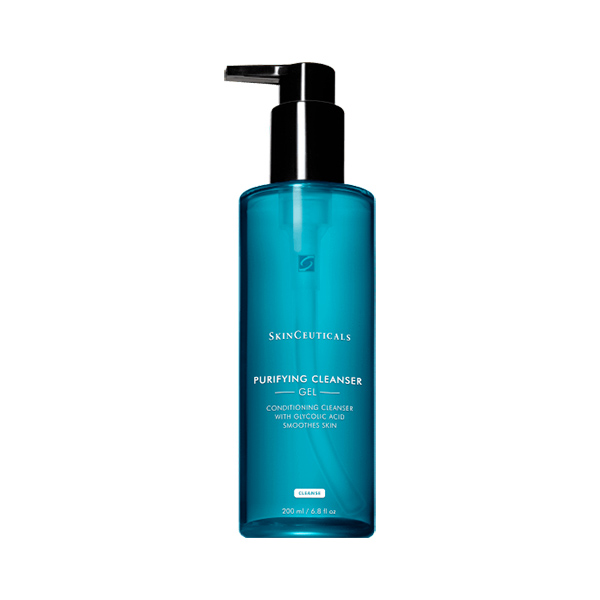
1- SkinCeuticals Purifying Cleanser:
This is a strong choice if you want a cleanser that feels fresh and thorough without making your skin feel stripped. For many people with redness plus oiliness (or redness plus city/pollution exposure), a purifying cleanser can help remove buildup gently so you don’t feel the urge to over-wash.
2- Skin Deep Gly/Sal 5-2 Cleanser:
This option is best thought of as a “targeted cleanser” for those who want help with congestion and texture while still building a redness-aware routine. If you’re actively red and stinging, start slowly (for example, a few nights per week) rather than using it twice daily right away.

Dermatology-style tip:
redness-prone skin usually does better with consistency than intensity. A cleanser should feel neutral, your skin should not feel punished after washing.
When redness is tied to sensitivity and irritation, moisturizing isn’t just about comfort, it’s a key part of barrier recovery.
1- Obagi Rebalance Skin Barrier Recovery Cream:
This is a great “anchor moisturizer” for a redness routine. Use it consistently, especially when your skin is reacting to weather changes, stress, travel, or an overactive routine. A barrier-recovery focused moisturizer can help reduce the cycle of stinging → overcorrecting → more redness.
If you’re shopping specifically within Obagi, you can browse the brand here:
Shop Obagi at Skin Deep Professional

From a dermatology perspective, sunscreen is part of redness care, because UV exposure can sustain inflammation and make the skin look persistently pink or uneven.
Here are two excellent options depending on what your skin tolerates best:
1- SkinCeuticals Double Defense C E Ferulic + SPF 30
This is a strong daily option if you like the idea of combining sun protection with antioxidant support (as reflected in the product name: vitamins C and E plus ferulic acid). For many redness-prone individuals, environmental stress can worsen visible redness, so an antioxidant + SPF format can be a convenient “all-in-one” morning step.
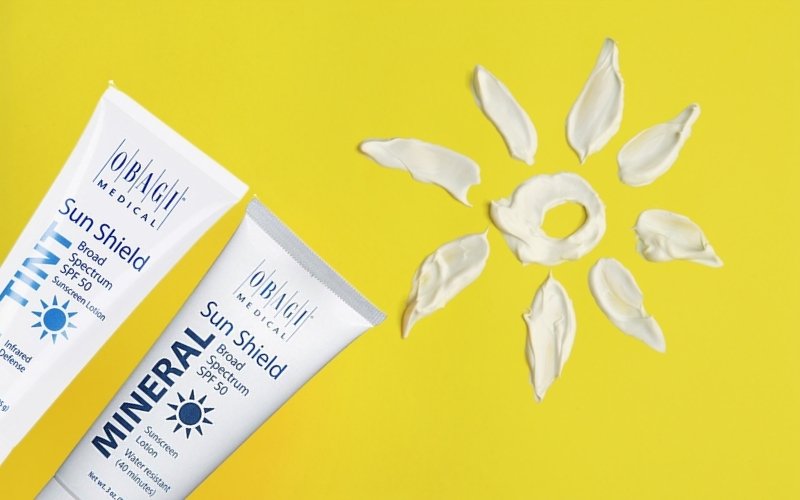
2- Obagi Sun Shield Mineral SPF 500
Mineral sunscreens are often preferred by people who feel reactive or easily irritated, especially if stinging is a frequent issue. If your skin tends to flush or you’re rebuilding your barrier, a mineral SPF can be a comfortable daily staple.
Dermatology-style tip:
the “best sunscreen” is the one you’ll wear every morning and reapply when you’re in daylight for extended periods.
If you want a routine that feels clinical, realistic, and easy to follow, here’s a structured template using the featured products.
Cleanse with: SkinCeuticals Purifying Cleanser
Moisturize with: Obagi Rebalance Skin Barrier Recovery Cream
Protect with one SPF option:
SkinCeuticals Double Defense C E Ferulic + SPF 30
Obagi Sun Shield Mineral SPF 50
1- Cleanse with your chosen cleanser.
2- Moisturize with: Obagi Rebalance Skin Barrier Recovery Cream
If your redness is currently flaring, keep it simple for 2 to 4 weeks before adding additional “treatment” steps.
Redness-prone skin doesn’t necessarily need to avoid exfoliation forever, but it does need a smarter approach. If you’re using the Skin Deep Gly/Sal 5-2 Cleanser, consider these dermatologist-style guardrails:
Try it 2 to 3 nights per week, not twice daily from day one.
If you notice stinging that lasts, increased flushing, or new tightness, reduce frequency and return to a gentler cleanser temporarily.
If you’re also using other exfoliants or retinoids, redness can escalate quickly. A simpler routine often performs better.
Keep your moisturizer consistent. In many cases, redness improves when the barrier is supported even while you target texture gradually.
Not always. Rosacea is common, but irritation, barrier disruption, UV exposure, and product overload can all cause redness. If you have frequent flushing, burning, visible vessels, or acne-like bumps, a dermatologist can confirm whether rosacea is involved.
Stinging often signals barrier disruption. In that phase, less is more: gentle cleansing, consistent moisturizing, and daily sunscreen are typically the most helpful steps.
Many people notice reduced stinging and improved comfort within 1 to 2 weeks of a calmer routine. Visible redness often improves more gradually over 4 to 8 weeks, depending on triggers and consistency.
If redness is persistent, worsening, painful, or associated with swelling, crusting, or eye irritation, it’s best to consult a dermatologist for evaluation and treatment guidance.