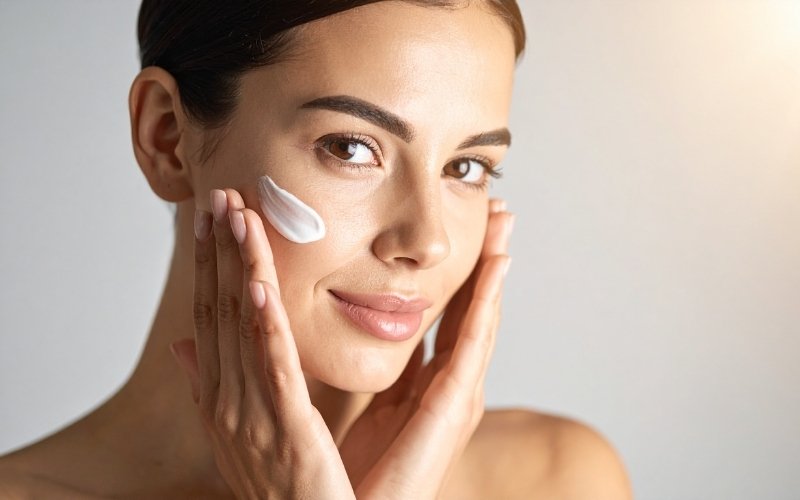



Think of your skin as a barrier, its number one job is to protect everything inside your body from the outside world. But that barrier only works well when it’s properly hydrated. When skin loses moisture (a process called transepidermal water loss), it becomes tight, flaky, dull, and more susceptible to fine lines, irritation, and environmental damage.
The good news? Once you understand why hyperpigmentation happens, treating it (and keeping it from coming back) gets a lot less confusing. Let’s break it down.
Hyperpigmentation is an umbrella term for any area of skin that’s darker than your natural skin tone. It happens when melanocytes – the cells responsible for producing melanin, the pigment that gives your skin its color – go into overdrive and produce excess pigment in a concentrated area.
It’s not one single condition. It’s a category that includes several different types of discoloration, each with its own triggers and treatment approach.

Melasma typically shows up as larger, symmetrical patches – often across the cheeks, forehead, or upper lip – and is strongly linked to hormonal changes. Hormonal changes caused by oral contraceptives and pregnancy can lead to melasma, which is why it’s sometimes nicknamed the “pregnancy mask.” It’s also more common in individuals with darker skin tones, since they tend to have more active melanocytes.
This is the dark mark left behind after a pimple, cut, rash, or other skin injury heals. It results from the overproduction of melanin triggered by inflammation, which causes melanin-producing cells to grow in size and increase their output. PIH can take months or even years to fade on its own without intervention.
These are the flat, brown spots that show up on sun-exposed areas like the face, hands, and chest after years of cumulative UV exposure. Sun exposure is actually the most frequent cause of hyperpigmentation overall, since it heavily stimulates melanin production.
A few common (and often overlooked) culprits:
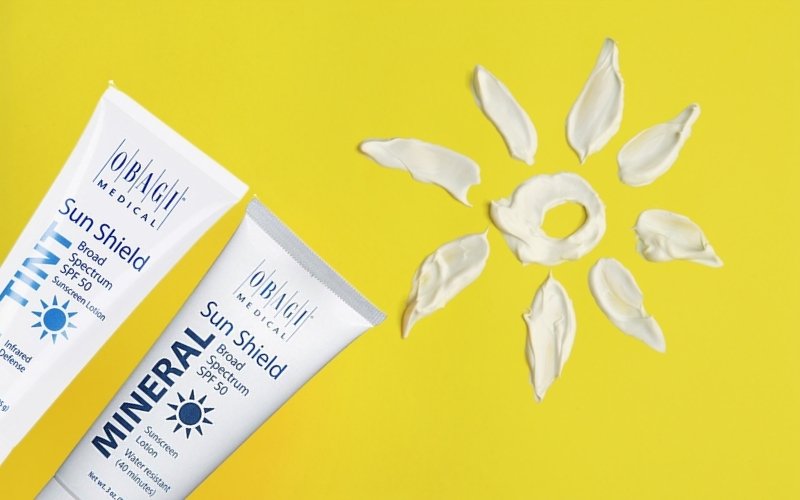
This is where things get encouraging – pigmentary concerns are highly treatable, even though they can be stubborn. First-line therapy typically consists of topical depigmenting agents in addition to photoprotection, including daily sunscreen.
The most well-studied and clinically effective ingredients include:
Hydroquinone – a topical skin-bleaching agent that interferes with melanin production in the cells, resulting in reduced pigment. It’s available over the counter in lower concentrations or by prescription in higher concentrations, and results are typically visible within about four weeks.
Topical retinoids – prescription-only retinoids like tretinoin act on receptors in skin cells to help reduce melanin activity and lighten dark spots.
Other tyrosinase inhibitors – ingredients such as azelaic acid, kojic acid, arbutin, and certain licorice extracts can also effectively lighten areas of excess pigmentation.
One important caveat dermatologists consistently emphasize: the effects of hydroquinone are reversible with sun exposure, and prolonged or unsupervised use may lead to other pigmentation issues – which is exactly why daily sunscreen and physician guidance matter so much when you’re using it.
For people dealing with stubborn dark spots, melasma, or post-inflammatory marks, prescription-strength formulas that combine hydroquinone with antioxidant support tend to deliver more consistent results than single-ingredient products. The Obagi-C Rx C-Clarifying Serum is one such option – it pairs 4% prescription hydroquinone with stabilized L-ascorbic acid (Vitamin C) to target discoloration while also providing antioxidant protection against further environmental damage. It’s typically used once daily under the guidance of a skincare provider as part of a broader pigmentation-correcting routine.

Patience matters here. Most topical treatments take four to six weeks before you’ll notice meaningful change, and consistent use over two to three months is usually needed for significant fading. If there’s no improvement after three months, it’s worth checking in with a provider about adjusting your approach.
Procedural options – like chemical peels, microneedling, or laser therapy — can accelerate results when combined with topical care, but they should always be guided by a professional, especially for melasma, which has a frustrating tendency to flare up again if treated too aggressively.
You can’t always prevent every dark spot – genetics, hormones, and skin type all play a role you can’t fully control. But you can significantly reduce your risk of new pigmentation and keep treated spots from returning. Dermatologists consistently recommend:
If your dark spots are spreading, changing shape, or not responding to consistent treatment after a few months, it’s worth getting a professional evaluation. A dermatologist can determine exactly what type of hyperpigmentation you’re dealing with and tailor a treatment plan – sometimes combining prescription topicals with in-office procedures for faster, safer results than going it alone.
Hyperpigmentation is the broader medical term for any excess melanin production, while "dark spots" usually refers to one visible result of it - like sun spots or post-acne marks. Melasma, PIH, and sun spots are all types of hyperpigmentation.
Sometimes, but slowly. Post-inflammatory marks can fade naturally over months to years, while melasma and sun spots often require active treatment and consistent sun protection to improve.
Hydroquinone remains one of the most clinically studied and effective options for fading hyperpigmentation, particularly in prescription-strength formulas used under professional guidance.
No - sunscreen prevents existing spots from darkening further and protects against new pigmentation, but it doesn't actively fade existing discoloration. It needs to be paired with a treatment ingredient like hydroquinone, retinoids, or other brightening agents.
Hyperpigmentation isn’t one thing, it’s a whole category of skin concerns with different causes and different solutions. Whether you’re dealing with melasma, sun spots, or marks left behind from old breakouts, the path forward usually involves the same fundamentals: targeted topical treatment, daily sun protection, and a little patience while your skin does its thing.
If you’re ready to take a more clinical approach to fading stubborn dark spots, talk to your provider about whether a prescription-strength option like the Obagi-C Rx C-Clarifying Serum makes sense for your skin.
At Skin Deep Professional, we believe effective skincare shouldn’t be a guessing game. That’s why we offer a wide selection of clinically-backed skincare products, including prescription-strength (Rx) treatments like hydroquinone serums, retinoids, and other dermatologist-recommended formulas. all available through our online store. Whether you’re treating melasma, post-acne marks, sun damage, or just want a routine built specifically for your skin, our team is here to help you find the right products and the right plan to get there.